Discover the projects we support and assist with
around the world.
More than just financial support, Ceva Wildlife Research Fund shares
its expertise and makes its network of experts available, ensuring that wildlife health
knows no borders.
Discover the projects supported in this video:
Projects supported around the world


3 projects
Understanding the virology of avian influenza to protect animals and humans
The Interfaces Chair studies the circulation of avian influenza viruses among wild and domestic birds and wild and domestic mammals, particularly cats. It aims to better understand the risks of transmission and adaptation of these viruses to humans through innovative research and surveillance approaches.
The goal is to detect influenza viruses earlier and limit the risk of transmission between animals and humans.
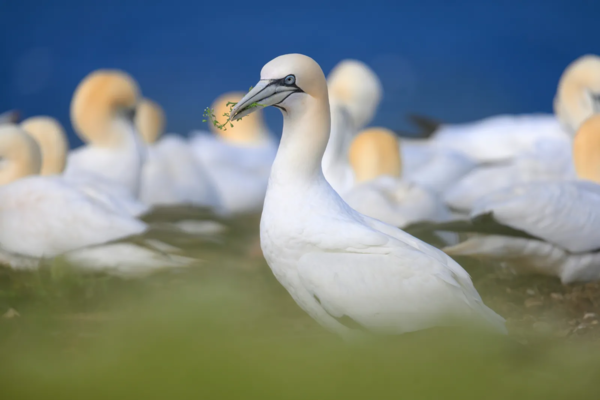
Studying the consequences of avian influenza in a population of Northern gannets
Highly pathogenic avian influenza (HPAI) poses a serious threat to seabird populations, both globally and in Europe. On the island of Rouzic, off the coast of Brittany, France’s only colony of Northern gannets, which once numbered more than 20,000 breeding pairs, was nearly wiped out in 2022 by an HPAI outbreak that affected more than 50% of the adult birds. This vulnerability is primarily due to their breeding habits in dense colonies, which expose Northern gannets (Europe’s largest seabirds) to the risk of epidemics and highly contagious diseases such as HPAI. Building on its research in the Southern and Antarctic Territories, the Center for Functional and Evolutionary Ecology (CEFE) has developed recognized expertise in the eco-epidemiology of seabirds.
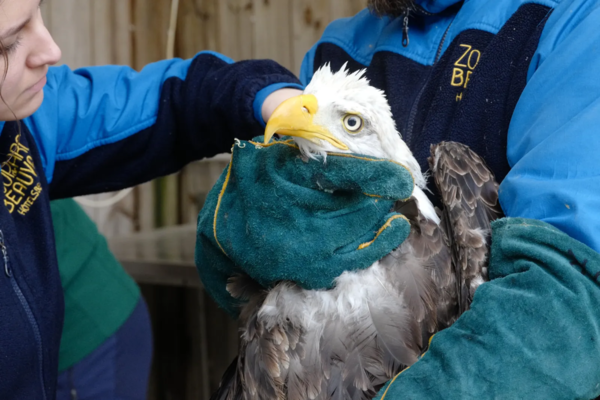
Exploring a new vaccination strategy against avian influenza in wild birds
In response to avian influenza, six French zoos, which already vaccinate their birds, are testing a new, innovative vaccine following a change in regulations. About twenty species, including penguins, raptors, and ostriches, are participating in this campaign, which is part of a scientific research program.
The goal is to evaluate the vaccine’s efficacy and safety in order to develop long-lasting protection tailored to wild birds in zoos.
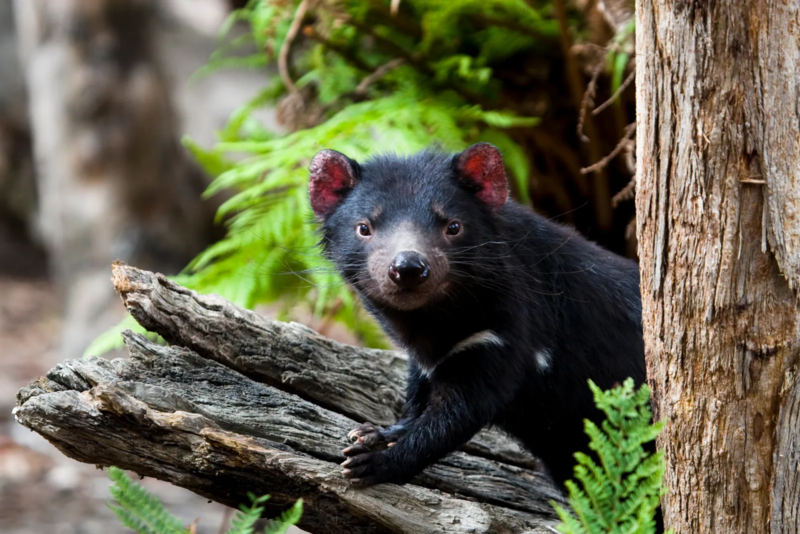
Developing a vaccine to protect Tasmanian devils from facial cancer
This project, conducted in Tasmania, aims to develop an innovative vaccine against a contagious form of cancer in Tasmanian devils, which is responsible for sharp declines in wild populations. This is a transmissible facial tumor, for which an oral bait-based vaccination strategy is currently being developed for deployment in the wild.
The goal is to enable the immunization of animals directly in their natural habitat, without the need for capture, using this innovative approach tailored to wild populations.
3 projects
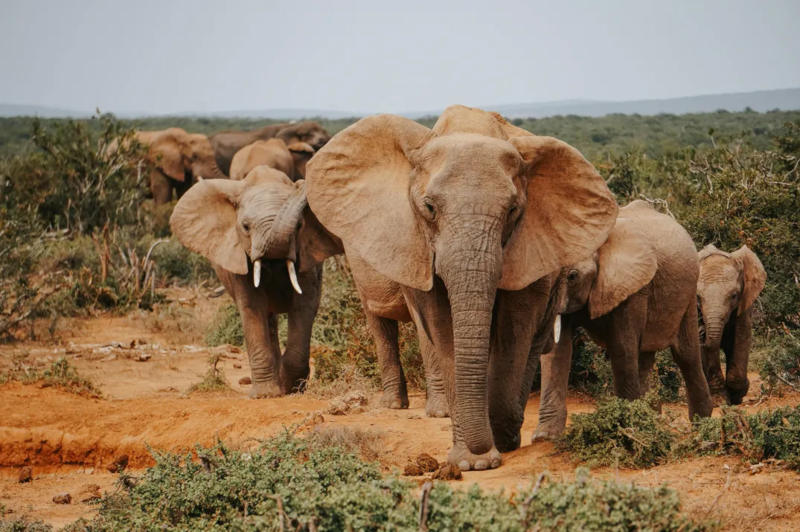
Understanding elephants’ movements to better manage their populations
In South Africa, a scientific program is studying elephants’movements to better understand population management options in reserves where elephants are becoming abundant and impacting the ecosystem. For example, the project analyzes the link between “elephant pressure” across the landscape and population density, as well as the impact of contraception on the animals’ spatial behaviors and habitat use.
The goal is to develop a conceptual framework and an adaptive management tool based on the analysis of elephant movements to better plan for their conservation and that of the ecosystems that host them.
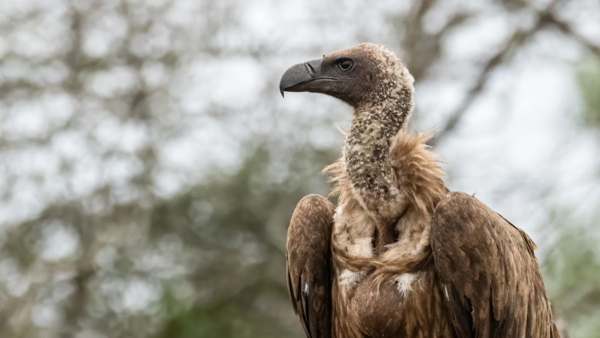
Studying the epidemiology of avian influenza and West Nile virus in vultures
This research project investigates the presence of West Nile virus and avian influenza in African vultures, species that are essential to the balance of ecosystems but are now highly endangered. By analyzing their exposure to diseases whose impacts and epidemiology remain poorly understood in vultures, the project aims to better understand the risks to their survival and to global health (animal, human, and environmental).
The goal is to improve the detection and prevention of diseases in African vultures in order to strengthen their protection and the health monitoring of ecosystems.
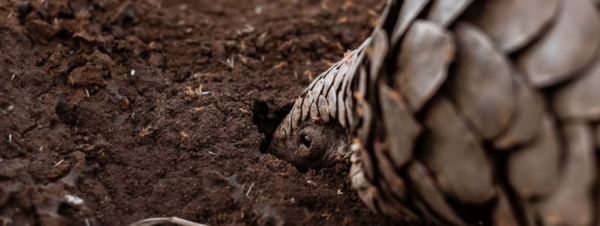
- Gaining a better understanding of Temminck’s pangolins to improve their care and rehabilitation (PhD)
In South Africa, this doctoral project aims to better understand the ecology of Temminck’s pangolin in order to improve its care and rehabilitation in the wild. The data collected will help optimize care protocols for the species.
The goal is to sustainably improve the survival and reintroduction of pangolins through a better understanding of their ecophysiology.
Studying avian influenza vaccination in wild birds
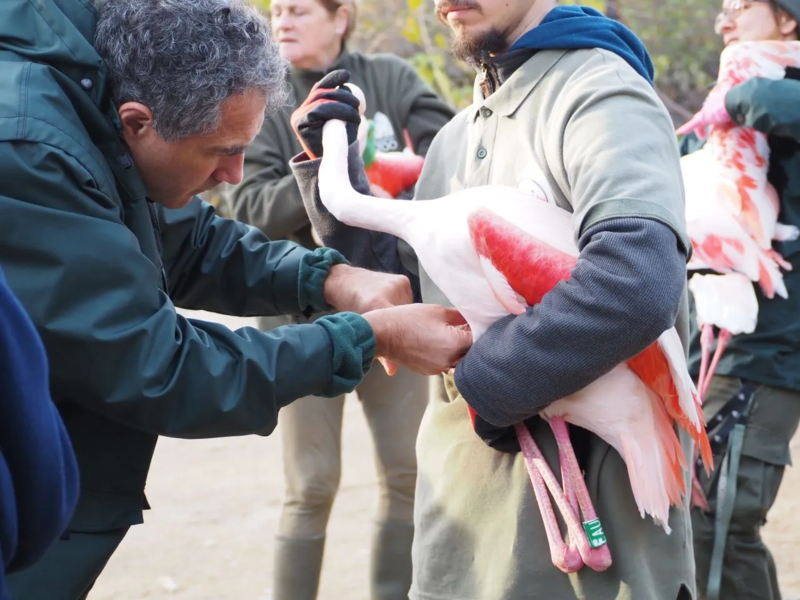
Following the resurgence of avian influenza in Europe since 2020, Hungarian zoos - located along major migratory corridors - are particularly vulnerable, with recurring outbreaks among wild and captive birds. To better protect their collections of susceptible birds, a research and vaccination project has been launched in Hungary.
The goal is to evaluate the vaccine’s efficacy and safety in order to develop long-lasting protection tailored to wild birds.

2 projects
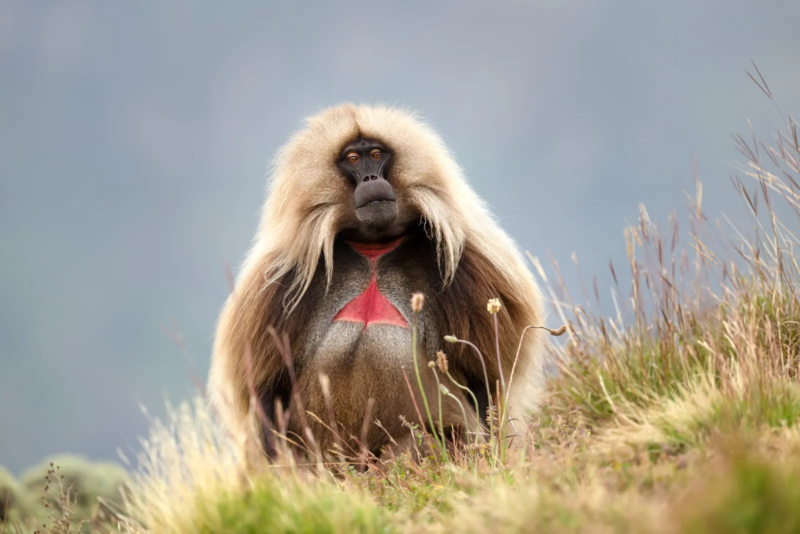
Studying the microbiome of geladas to protect everyone’s health (PhD)
Spanning Ethiopia and southern France, this doctoral thesis investigates the pathogens present in the microbiota of geladas, the only herbivorous primates, to better understand health risks at the interface between wildlife, domestic animals, and humans. The findings will help identify potential zoonotic risks and better anticipate disease outbreaks. The microbiome is also viewed as a reflection of the circulation of infectious agents at the interface between different compartments, know as zoonoses.
The goal is to contribute to a One Health approach to protect both wild animals - including endemic and endangered species - and human health.
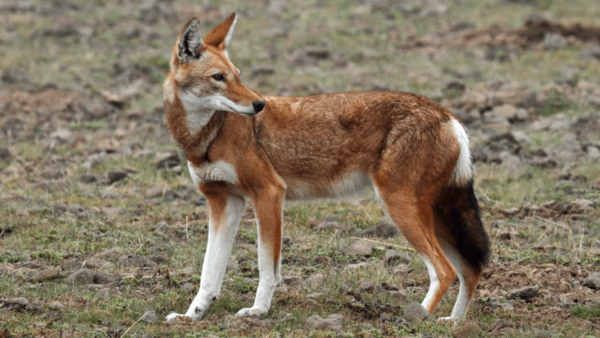
Vaccinating to protect Ethiopian wolves against rabies
This project in Ethiopia aims to protect the Ethiopian wolf, the world’s rarest canid, which is severely threatened by fatal diseases such as rabies, transmitted by domestic dogs, which serve as a reservoir for the disease.
The goal is to implement an oral vaccination program using bait to prevent the spread of rabies among wolf populations and limit outbreaks that cause high mortality rates among Ethiopian wolf populations. Field campaigns and immunological monitoring will be used to evaluate the effectiveness of this method.

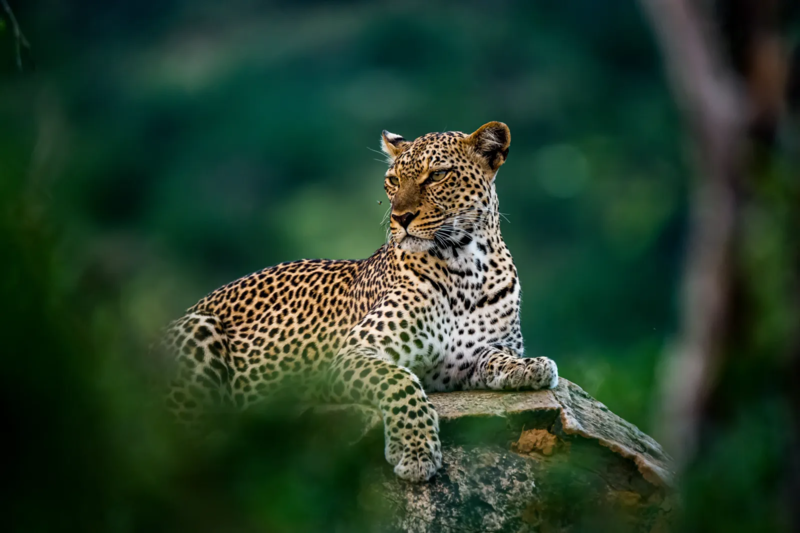
Coexisting with leopards through natural solutions
In Botswana, the BioBoundary project aims to reduce leopard attacks on livestock by using natural scents that repel them. These simple, eco-friendly solutions protect herds without killing wild animals.
The goal is to enable livestock farmers and leopards to coexist safely through natural solutions.

Study the transmission of strongyloides between human, primate, and canid populations
This project, conducted in Conkouati-Douli National Park in the Republic of the Congo, investigates the transmission of parasitic nematodes of the genus Strongyloides between primates and canids (domestic dogs and striped-flanked jackals) in a setting where these species interact extensively. Strongyloides infections can cause strongyloidosis in primates, including humans, and canids. The goal is to identify risk factors and transmission hotspots in order to improve surveillance and strengthen prevention strategies through a One Health approach.
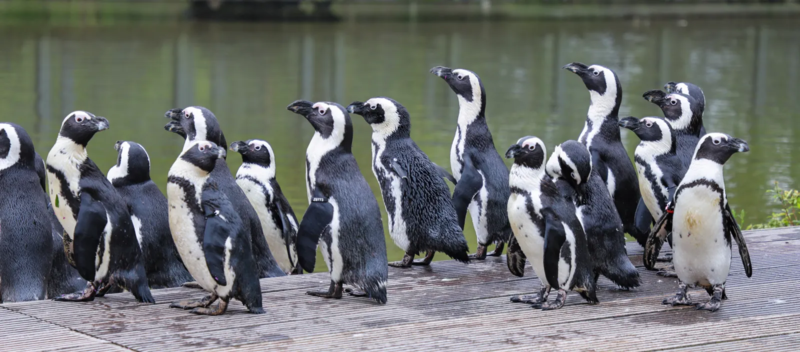
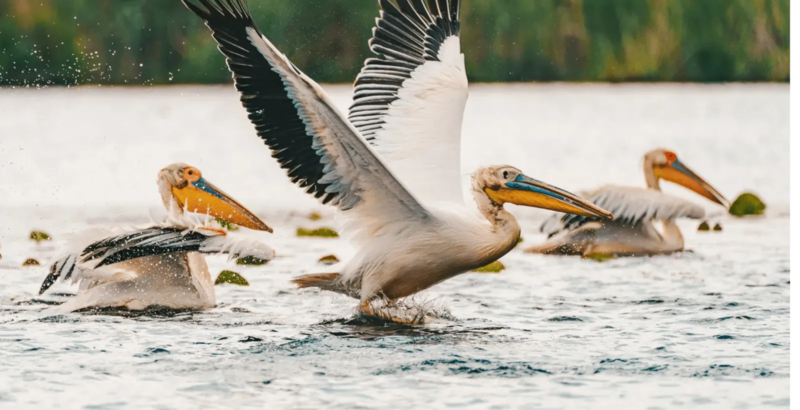
Studying avian influenza vaccination in pelicans and African penguins
Following the 2022 avian influenza outbreak, Pairi Daiza, a Belgian animal park, lost several pelicans. To better protect its vulnerable birds, the park is conducting a research and vaccination project in partnership with Ceva Wildlife Research Fund and with Sciensano for serological testing.
The goal is to evaluate the vaccine’s efficacy and safety in order to develop long-lasting protection tailored to wild birds.
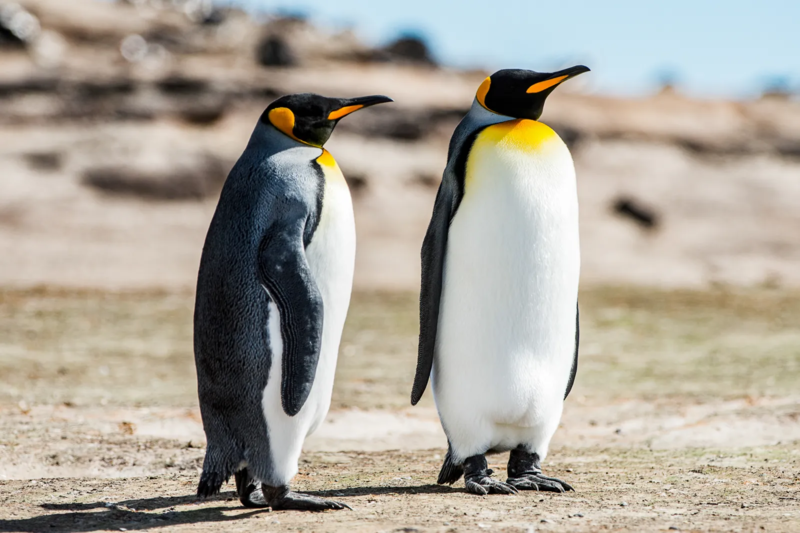
Studying avian influenza vaccination in king penguins
In response to the spread of avian influenza among seabirds and the risk of infection reaching subantarctic colonies, this project was established to assess a strategy for protecting wild populations through preventive vaccination. The aim is to evaluate the ability of an avian influenza vaccine to induce an immune response in king penguins in the Crozet Islands archipelago.
The objective is to evaluate the immune response and vaccine efficacy in chicks, in order to determine its capacity to protect them during their prolonged period of vulnerability on land and to contribute to the development of protective solutions for wild bird populations.

Studying preventive vaccination against avian influenza in wild birds
Although Singapore remains free of avian influenza, this project - conducted in zoos - aims to anticipate risks by protecting the most vulnerable species and evaluating the effectiveness of a next-generation vaccine on different species.
The goal: to evaluate the vaccine’s efficacy and safety in order to develop long-lasting protection tailored to wild birds in zoos.
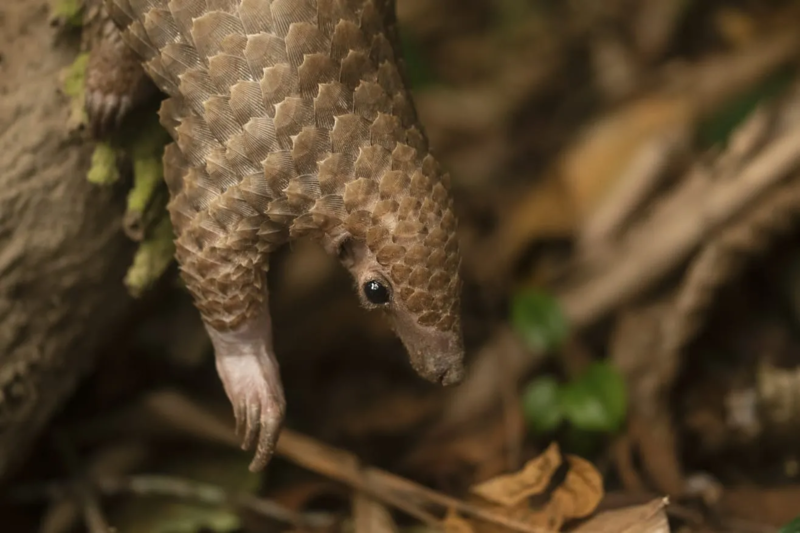
Establishing reference values to improve the rehabilitation and protection of white-bellied and black-bellied pangolins
This project in Cameroon aims to improve the care of white-bellied and black-bellied pangolins - the most endangered mammals - by addressing the lack of veterinary data. It involves analyzing blood samples from healthy individuals to establish reference values that will aid in their monitoring and rehabilitation.
The goal is to better diagnose blood abnormalities and thereby treat the pangolins to facilitate their return to the wild.
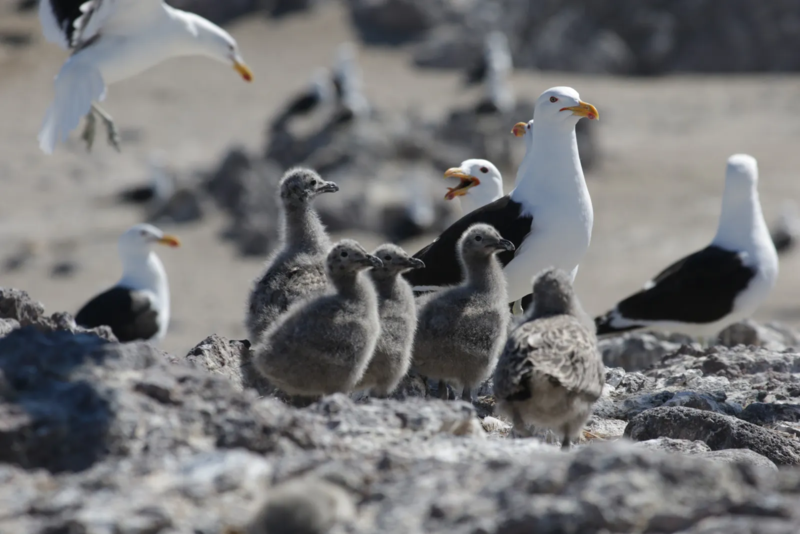
Assessing the risks of avian influenza in seabirds and wild mammals in the Patagonian coastal ecosystem
Following the introduction of avian influenza into South America in 2022 and the mass mortalities observed in Patagonia, this research project aims to study the circulation of the virus in wildlife.
The goal is to understand transmission dynamics and identify the species involved in order to anticipate future outbreaks.

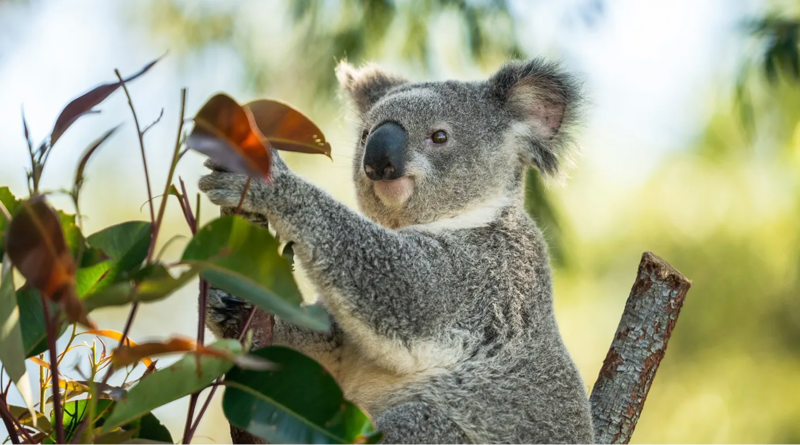
Developing a vaccine against chlamydia to protect koalas
This project in Australia aims to develop a vaccine against koala chlamydiosis, a major cause of the decline of this iconic species. The vaccine, the first large-scale preventive solution, has demonstrated a significant reduction in mortality and symptom severity, thereby improving the survival and reproduction of koala populations.
The goal now is to optimize its deployment in real-world conditions to sustainably strengthen koala conservation.