








All preventive measures aimed at reducing the risk of introduction, spread, and dissemination of pathogens (viruses, bacteria, parasites) in animal and human populations or in the environment. (Source: FAO)
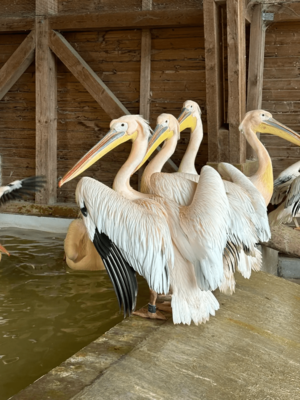
Hungary – Studying avian influenza vaccination in wild birds
Following the resurgence of avian influenza in Europe since 2020, Hungarian zoos located along major migratory corridors are particularly at risk, with recurring outbreaks among wild and captive birds. To better protect their collections of susceptible birds, a research and vaccination project has been launched in Hungary, with support from Ceva Wildlife Research Fund. The goal: to evaluate the vaccine’s efficacy and safety in order to develop long-term protection tailored to wild birds.
The situation in hungary
According to the World Organization for Animal Health (WOAH) and European EFSA/ECDC reports, Hungary is:
- A country that has been severely and repeatedly affected since 2020, with several successive waves of HPAI,
- Located along major
migratory corridors(Eurasian flyways), it is a country that has reported outbreaks in domestic and wild birds every year since 2021, - Zoological collections are particularly at risk because they house susceptible and exotic species, often in indirect contact with wildlife, which has led to several cases of infection and mortality in certain zoos since 2021.
“This project is very important to us because avian influenza appears to be becoming endemic in Hungary. Many of our birds are rare species involved in breeding or conservation programs, so it is essential to protect them and ensure that our collections remain safe in the event of an outbreak, which is a crucial responsibility for any zoo.”
Dr. Endre Sos, Director General, Budapest Zoo & Botanical Garden
10/2024
Date of signing of the primovaccination partnership
04/2025
6 months booster
10/2025
Annual booster
2026